Mikrosahibkarlığa başlamaq: resurslar və marketinq ideyaları
Starting a micro-business often means working with limited time and resources. The right mix of low-cost marketing ideas, digital showcases and disciplined budgeting can help regional producers reach customers without large upfront spending.
This article outlines practical approaches for building an online presence, promoting regional products, and keeping financial risk under control while using digital tools and channels suited to small operations.
Low-cost marketing strategies for micro-entrepreneurs
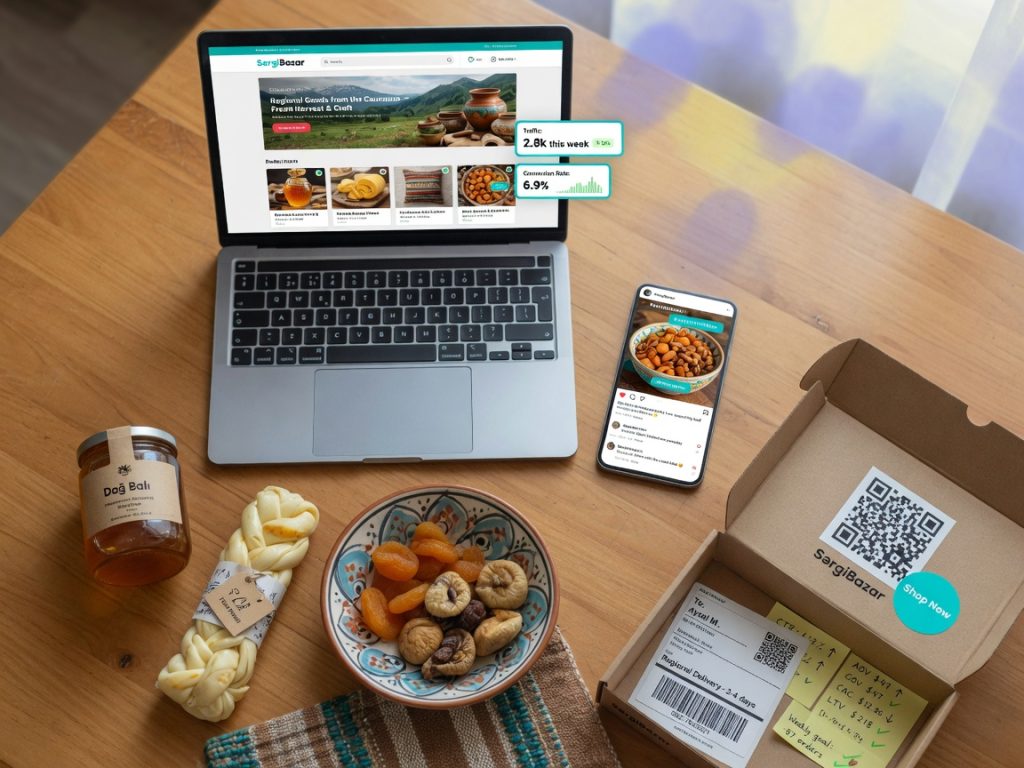
Begin with channels that allow direct connection to potential customers at low cost. Social media profiles, simple content pieces and participation in online exhibitions or digital showcases provide visibility without large ad budgets.
Content that highlights the story behind a product, its regional roots, and its production process can create trust and differentiate offerings. Short posts, product photos, and brief videos are often sufficient to demonstrate value and engage audiences.
Collaborations with other small businesses or local creators can multiply reach. Shared listings, co-hosted online events and cross-promotion among complementary product makers help expose regional goods to new audiences while keeping expenses modest.
Listing products on established e-commerce platforms or marketplaces complements a digital storefront. These platforms can simplify logistics and payment handling, allowing micro-entrepreneurs to focus on product quality and customer service rather than building complex infrastructure from scratch.
Practical resources, online showcases and digital storefronts
Online exhibitions and digital showcases are effective formats for presenting regional collections and specialty goods. They allow curators and sellers to create themed displays that attract interested visitors without the costs associated with physical events.
Maintain a clear and consistent product presentation in any digital storefront. Good photos, concise descriptions and transparent information about delivery and returns help reduce friction for buyers and build credibility for small brands.
Use simple tools to manage listings and inventory. Start with lightweight solutions that integrate with sales channels to avoid double work. As operations grow, consider scalable options that maintain the same clarity and control but handle higher volumes.
Financial discipline is a crucial resource. Track expenses and basic cash flow from the first sales to understand margins and thresholds for reinvestment. Prioritizing low-cost marketing and measured experiments helps keep spending aligned with actual results.
Measuring impact and managing risk
Measure outcomes from each marketing activity to understand what brings customers and what does not. Even basic tracking of enquiries, orders and repeat buyers provides insight into which channels deserve more attention.
Apply risk management by testing new ideas on a small scale before committing larger sums. Batch production, pilot listings in a digital showcase and time-limited collaborations reduce exposure while validating demand.
Responsible growth includes avoiding overextension and maintaining transparent communication with customers about lead times and limitations. Clear expectations reduce the risk of dissatisfaction and help preserve reputation among niche audiences.
Conclusion
Micro-entrepreneurship can thrive with focused, budget-aware marketing, thoughtful use of digital showcases and disciplined financial practices. Emphasizing product stories, regional authenticity and clear presentation helps small sellers stand out online.
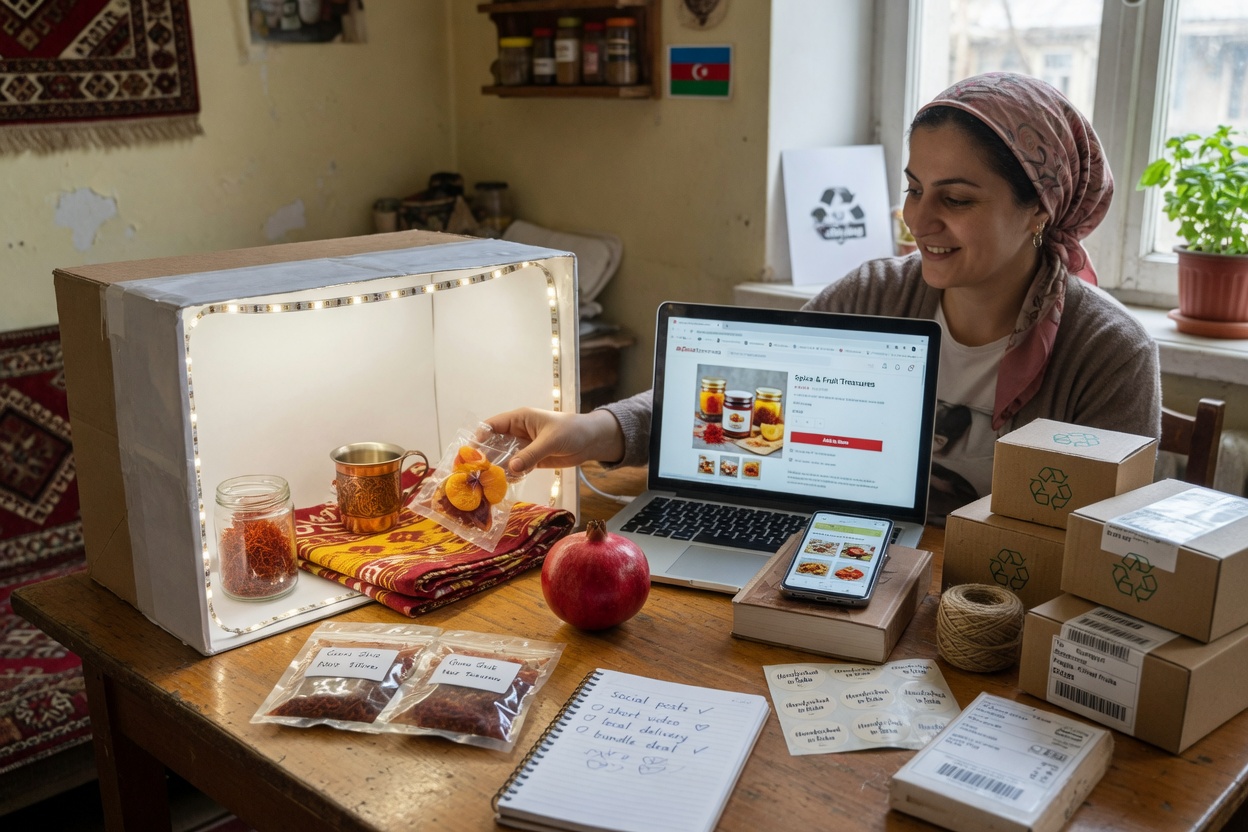
By testing ideas at low cost, tracking basic results and managing risk through conservative experiments, micro-entrepreneurs can develop sustainable paths to reach customers and grow e-commerce activities without large initial investments.