Regional məhsullar üçün onlayn satış strategiyaları
Introduction
Selling regional products online requires a clear strategy that links product strengths with reachable customers. A sales strategy is more than a document; it defines how an organization will achieve its revenue targets and how it will structure its activities to reach them. For regional producers and small businesses, this means translating local value into an online proposition that buyers understand and trust.
Main considerations include product positioning, the choice of digital storefronts, channel management, and measurable actions. The following sections describe practical steps to build an effective online sales strategy tailored to regional products.
1. Define product positioning and target customers
Start by clarifying what makes a regional product distinct. Emphasize origin, craftsmanship, seasonal rarity, or cultural relevance. These attributes form the basis of messaging and help differentiate offerings on crowded marketplaces.
Map target customer segments by needs and shopping habits. Consider whether buyers seek authenticity, convenience, price, or a combination. This understanding informs choices about presentation, pricing, and promotional tone across online channels.
2. Choose and design digital storefronts
Decide where regional products will be visible and purchasable. Options include dedicated e-commerce sites, digital storefronts within online exhibition platforms, and listings on broader marketplaces. Each option has trade-offs in control, cost, and discoverability.
Design the product pages and digital vitrine to communicate provenance and quality clearly. Use concise descriptions, high-quality imagery, and consistent branding that reflects the region. Structure content so customers quickly grasp product benefits and trust signals such as producer information or clear delivery terms.
3. Channel mix and sales processes
Balance direct sales through a dedicated site with presence on third-party platforms that bring traffic. For many regional producers, a hybrid approach helps combine brand control with marketplace reach. Ensure order processing, inventory updates, and customer communication are reliable across channels.
Define the customer journey from discovery to post-sale support. Establish simple, repeatable processes for order fulfillment, returns, and feedback collection. Consistency in these operational steps reinforces reliability and supports repeat purchases.
4. Pricing, promotions, and value communication
Set pricing that reflects production costs and perceived regional value while remaining competitive. Consider tiered offers for bundles or seasonal items to encourage larger orders. Promotions should reinforce product identity rather than erode perceived quality.
Communicate value through storytelling that highlights local methods, ingredient provenance, and community impact. Clear, honest descriptions help customers understand what they pay for and reduces friction at checkout.
5. Measurement and iteration
Define measurable goals aligned with the sales strategy. Common objectives include increasing online visibility, improving conversion rates, and growing average order value. Track basic indicators such as traffic sources, conversion by channel, and customer feedback.
Use measured results to refine product listings, channel focus, and operational workflows. Regular review cycles help adapt to changing demand and optimize efforts where they bring the most return.
6. Practical governance and documentation
Document the sales strategy in a concise plan that outlines goals, roles, channels, and key performance indicators. A written plan helps align team members and partners around shared priorities and responsibilities. For small teams or micro-entrepreneurs, a simple, actionable document supports disciplined execution.
Assign clear ownership for tasks such as content updates, order management, and performance reporting. Clarity reduces duplication and enables timely responses to market signals.
Conclusion
An effective online sales strategy for regional products brings together product positioning, thoughtful digital storefronts, reliable sales processes, and routine measurement. The strategy should be practical, documented, and adaptable, enabling producers to present regional value to a wider audience while maintaining operational discipline.
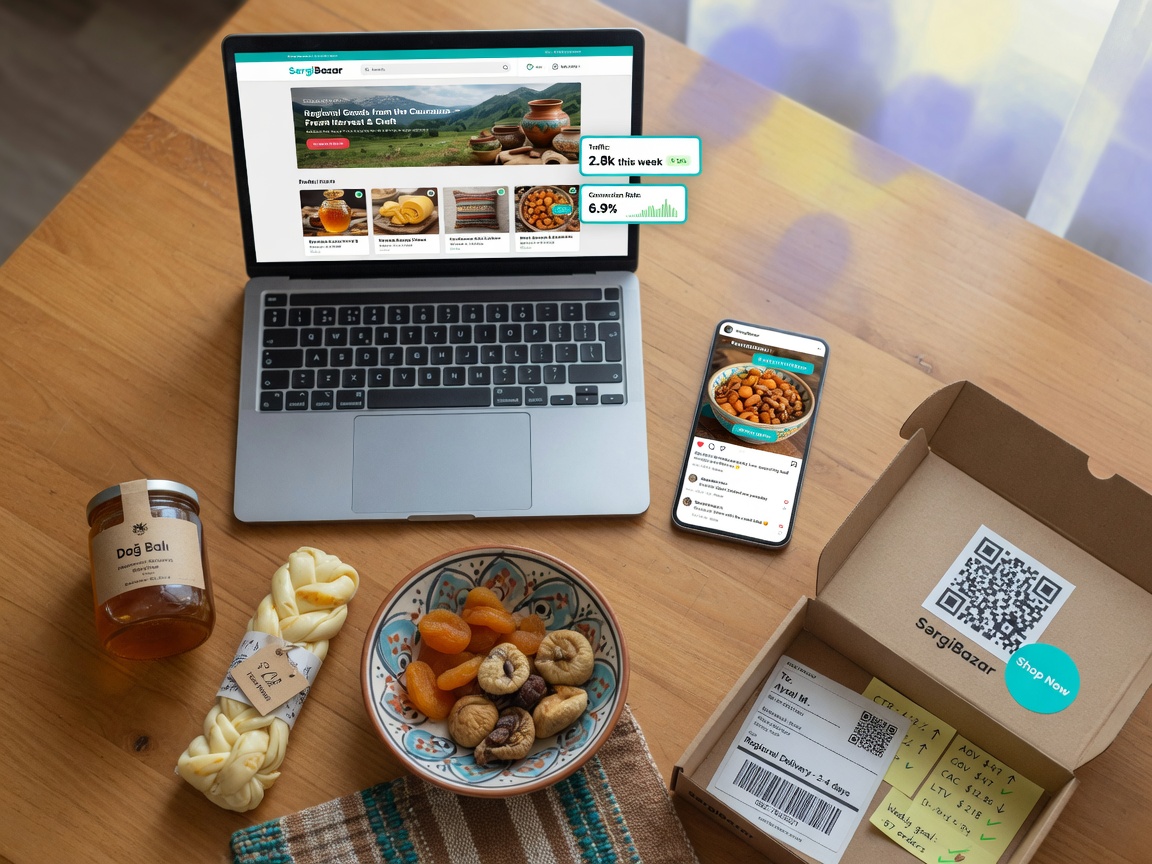
By focusing on clear messaging, appropriate channel selection, and measurable steps, regional businesses can build sustainable online sales that reflect the unique qualities of their products. Regular review and adjustment keep the strategy aligned with market feedback and business goals.