Onlayn sərgi necə təşkil olunur: addım-addım bələdçi
Introduction
An exhibition can be understood as a system that synthesizes different art forms and communicates cultural content through a coherent presentation. Contemporary exposition practice, as reflected in museum work, treats exhibition creation as a dynamic and independent activity within cultural institutions. Organizing an online exhibition adapts those same principles to digital environments while preserving curatorial intent and visitor experience.
Planning and concept development
Successful online exhibitions begin with a clear concept. Define the theme, objectives, and target audience early. The concept should guide selection of works, narrative flow, and the visual logic of the virtual space.
Curatorial decisions establish how different media and genres interact in the presentation. In museum practice, exposition design links collection content to visitor perception. For a digital showcase this means arranging images, texts, and any multimedia in a way that reflects curatorial reasoning and supports interpretation.
Consider the scope and scale of the exhibition. Choose works that fit the theme and can be digitized effectively. Prioritize clarity of information: concise labels, provenance details, and contextual notes help online visitors understand the exhibits without in-person mediation.
Digital presentation and technical setup
Translating exposition principles into a digital format requires attention to layout, navigation, and accessibility. A virtual exhibition should provide an intuitive path through the material, whether linear or modular, enabling visitors to explore at their own pace.
High-quality images and accurate reproduction are essential. Good photography and careful digital cropping preserve the work’s visual integrity. Accompany images with standardized metadata and descriptive text derived from museum documentation practices to maintain clarity and scholarly value.
Design decisions influence how visitors perceive relationships between works. Use visual groupings, thematic sections, and clear headings to recreate the rhythm and sequencing of a physical exposition. Interactive features can support engagement, but they should not obscure the curatorial narrative.
Audience engagement, promotion, and responsible management
Online exhibitions can serve broader goals such as promoting regional products or supporting microentrepreneurship by showcasing craft, design, and applied arts. Align presentation strategies with those goals while maintaining curatorial standards and accurate documentation.
Promotion of a virtual exhibition benefits from clear descriptive materials and distribution through relevant channels. Provide contextual essays and explanatory content rooted in museum practice so that audiences receive substantive interpretation rather than just visual display.
Management includes regular monitoring and maintenance. Update content when necessary, check technical performance, and preserve archival records following institutional norms. Risk considerations linked to digital presentation include ensuring intellectual property respects and reliable backups of digital assets.
Curatorial ethics and exhibition quality
Contemporary museology emphasizes responsible exhibition-making. Curators and organizers should document provenance, provide truthful contextualization, and respect the cultural significance of presented items. These ethical standards are as relevant online as in physical spaces.
Maintain transparency about sources and contributors. Where works come from collections or individual creators, clear attribution and factual labels support scholarly use and public trust. Such practices reflect the professional standards seen in museum exposition work.
Practical checklist for launching an online exhibition
Develop a concise checklist based on exposition principles: confirm theme and objectives, select works with supporting documentation, prepare high-quality images and metadata, design the visitor path, and set up monitoring and maintenance procedures. Each step reflects the ongoing dialogue between curatorial intent and visitor experience.
Conclusion
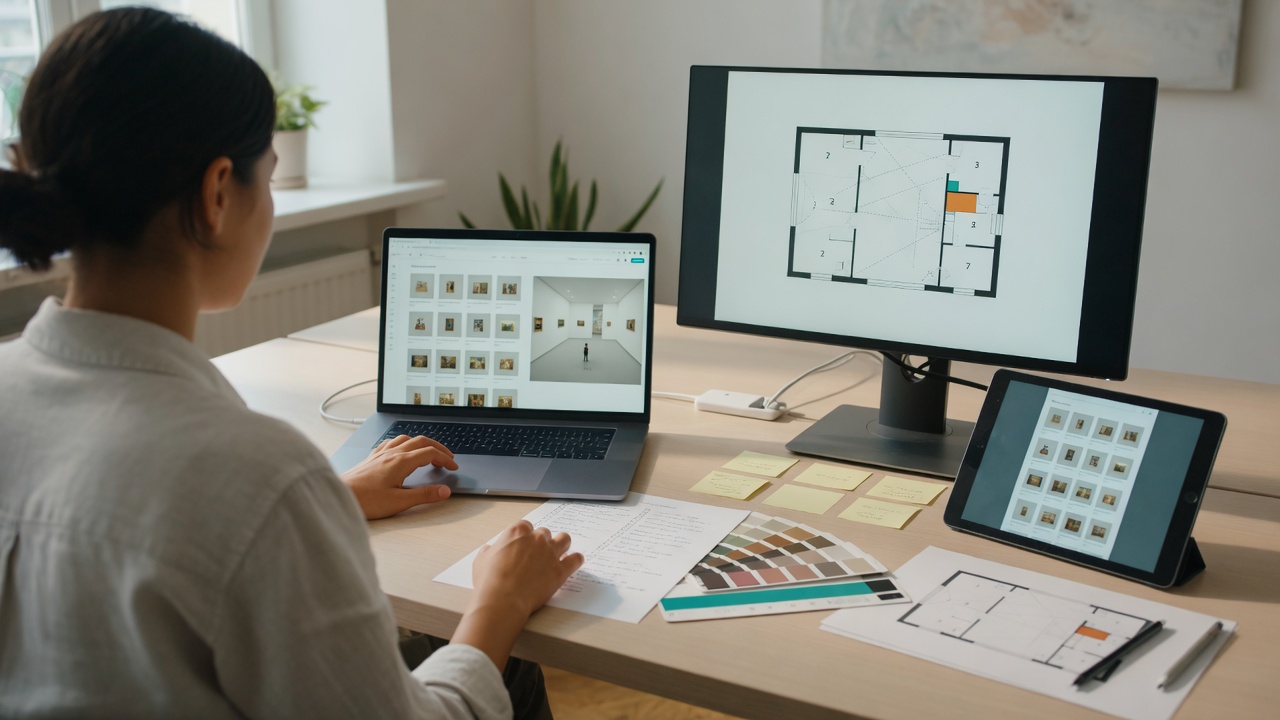
Organizing an online exhibition adapts the art of exposition to digital platforms while preserving the curatorial approach of modern museum practice. By grounding decisions in clear concept development, careful digital presentation, and responsible management, organizers can create virtual showcases that communicate meaningfully and support cultural and regional promotion. The method of creating exhibitions remains a dynamic area of practice, and thoughtful application of exposition principles ensures quality and integrity in the virtual environment.